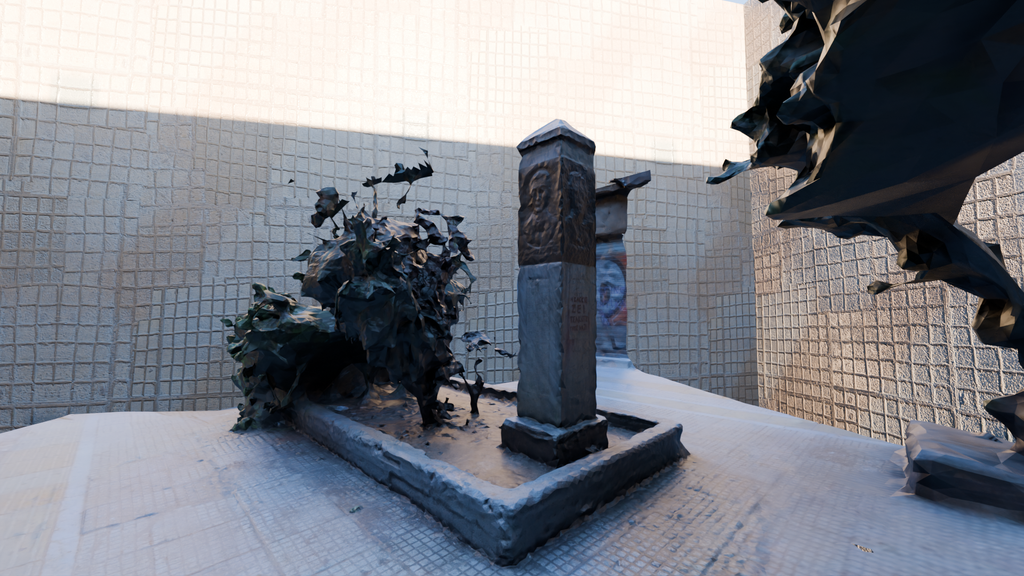
A few loosely connected observations:
Third day in Athens. I have been doing a lot of walks, sound capture, 3D scans, reading, and exploring. One thing that strikes me when I am here after is how the city is divided into different areas. Naturally every city has it’s own divisions but the divisions in Athens are somehow very “flare-full”. The fact that you have Εξάρχεια (Exarchia, the anarchist neighborhood) next to Κολωνάκι (Kolonaki, the posh area) is probably the most obvious thing, but this “conflict” goes into the very DNA of the city. It is a city with a certain poetic charm that is in a constant state of negotiation. Fancy stores are covered in graffiti. A street vendor of snacks also sell books of serious historic merit because it is this person’s interest. Police guard the embassies close to the national park while smoking cigarettes and arguing about the latest football game (with their bulletproof vests sitting on the street because of the heat).
In the context of Europe, Greece is the missing link to the Middle East and Muslim culture. Even when Alexander the great embraced Persian culture. Or during the Ottoman empire up until the migration crisis today. Greece is the most protruding (corrupted) embassy for European consciousness at the Mediterranean sea.
Hospitality and friendliness to the “other” is stronger than in most European places I have visited. It’s the old myth about Balkan of family and friends distrusting the government. As a northern European this feels like the back of the moon. Maybe it is true, maybe it is not, but the story of cultures shifting like a gradient seem realistic. Similar myths exist about Irak or Afghanistan but in their cases they get a slightly more scary word of clans or brotherhoods.
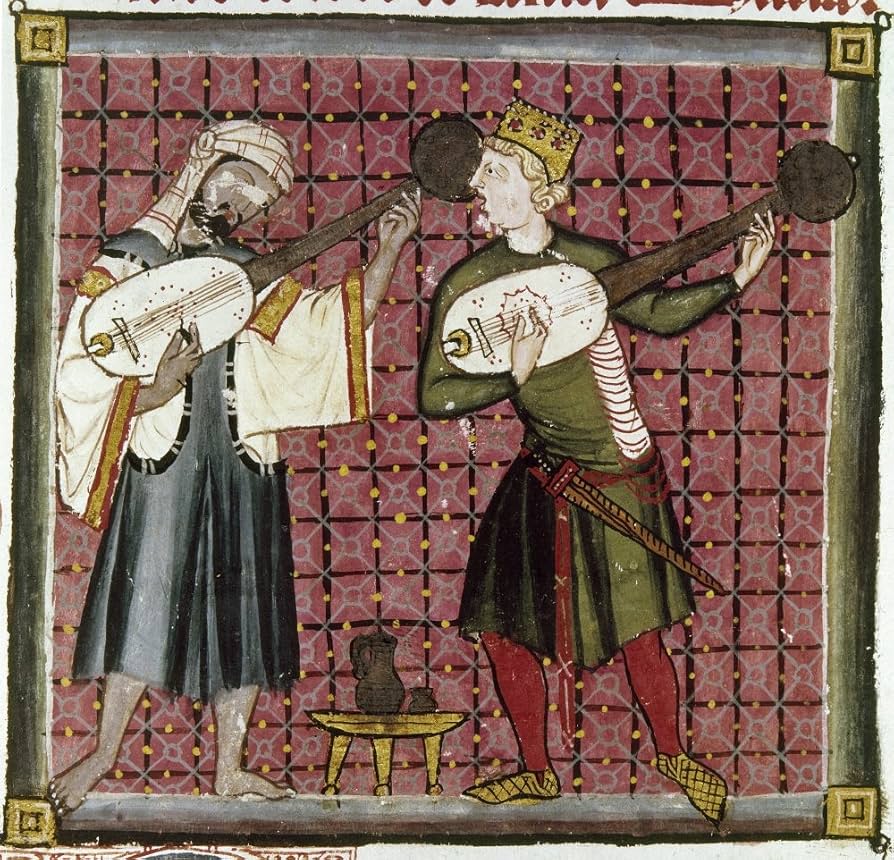
I have in general been interested in this connection of European consciousness and the connection with the Middle East. Probably because immigration from Turkey and Iran was part of my upbringing, and eventually Afghanistan, Syria, and Iraq post-9/11. Personally, I view a lot of these wars as a way to erase the past, or distance yourself from it. Of course the oil, minerals, geopolitical goals etc are the main motivation pragmatically. Still, this flogging of your heritage and how western culture have treated these parts of the world is something different. It has made certain actions possible, and certain thoughts impossible.
It is a relative you can not stand anymore and you just want their inheritance, but you can’t stand them because of something a distant uncle pointed out.
Cultural conflict spreads. Perhaps that is what has happened to Greece. A little bit too Μεσογειακή (Mediterranean), and also somewhat Persian from Μέγας Αλέξανδρος (Alexander the Great) maybe, for the tastes of Central European people. That is not a good mix in a world that is highly skeptical toward Middle Eastern culture.
Following in the footsteps of the economic crisis of 2008. Greece became that relative in the family that the caught a bad rep from an other family member. Demands came from Central European countries that ended up sending Greece into the economic situation it now inhabits. Meanwhile, most other countries that struggled economically before the EU have improved their economic situation, while Greece keeps lagging behind.
But Athens has always been in a state of collapse and renegotiation. Just as so many other places decorating the boarders of the Mediterranean sea. This temple of Europe, like Jerusalem to the Middle East, intrigues me and escapes simple answers.
The first mention of the word Europe was in a Hymn to Apollo by Homeros:
“Here I am minded to make a glorious temple, an oracle
for men, who will ever bring me perfect hecatombs,
both those who possess the rich Peloponnesus
and those of Europe and the wave-washed islands,
coming to seek counsel; and to them all I would
deliver a decree that cannot fail, giving answers in my rich temple.”